Dobór optymalnego rozwiązania
Pomagamy wybrać usługę z uwzględnieniem rodzaju towaru, kierunku dostawy i specyfiki współpracy.
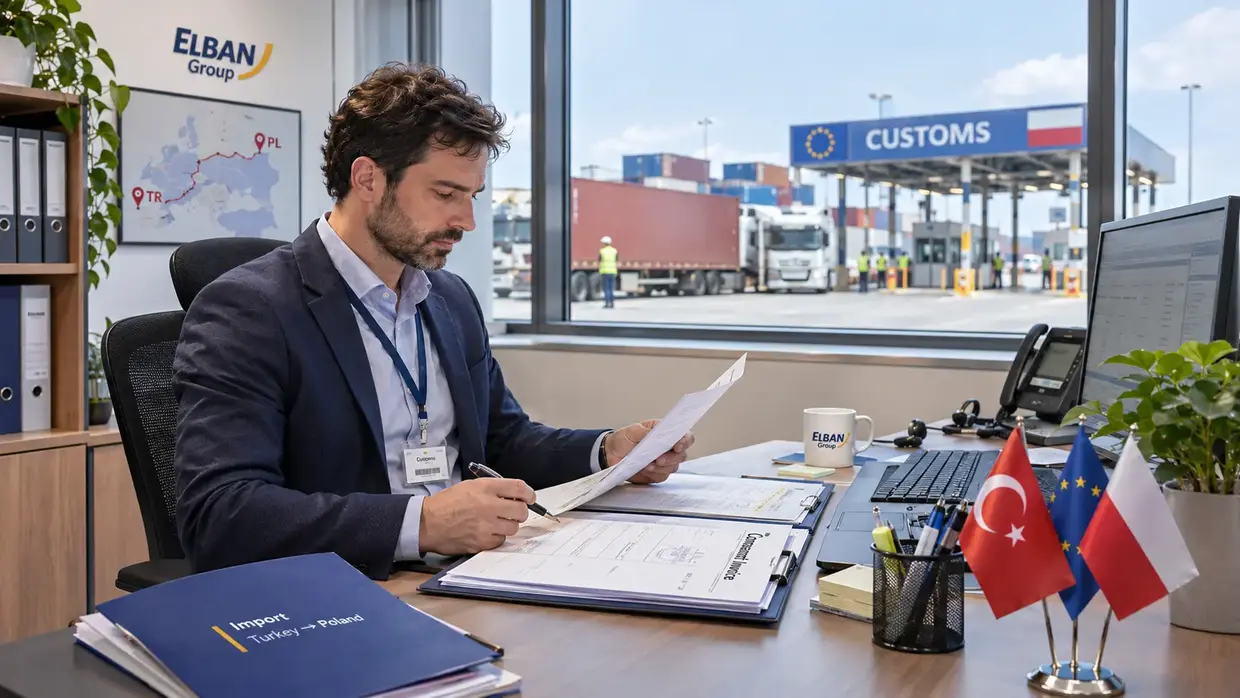
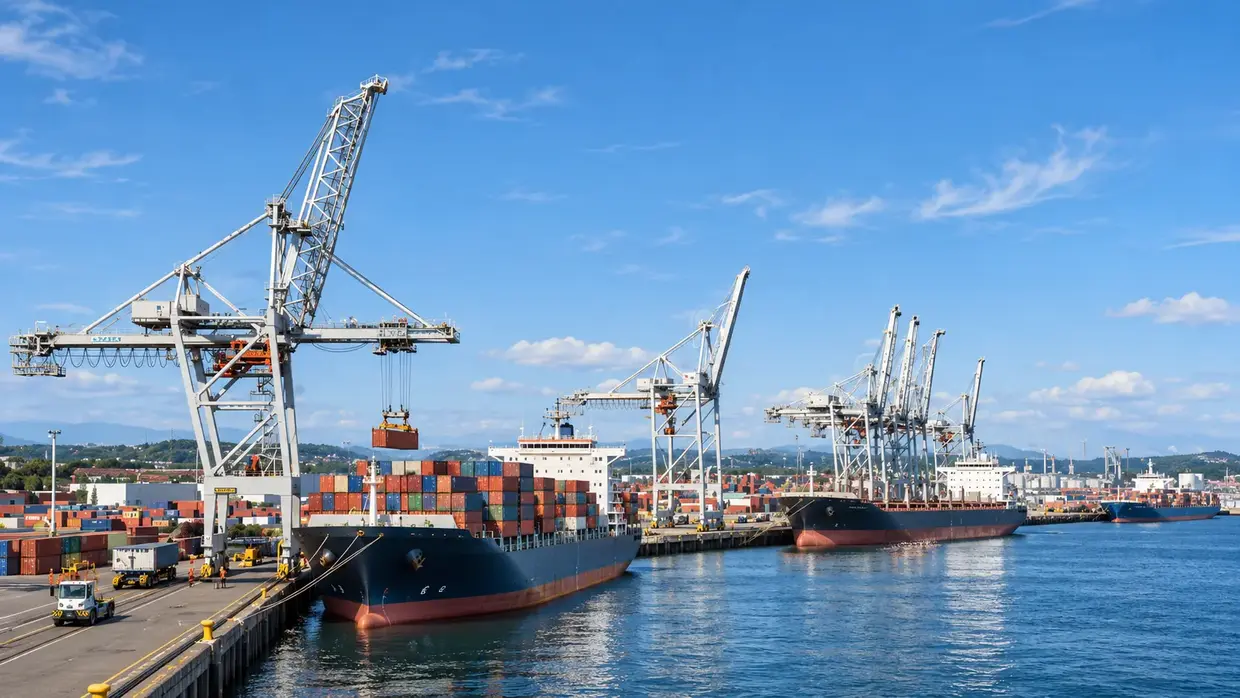
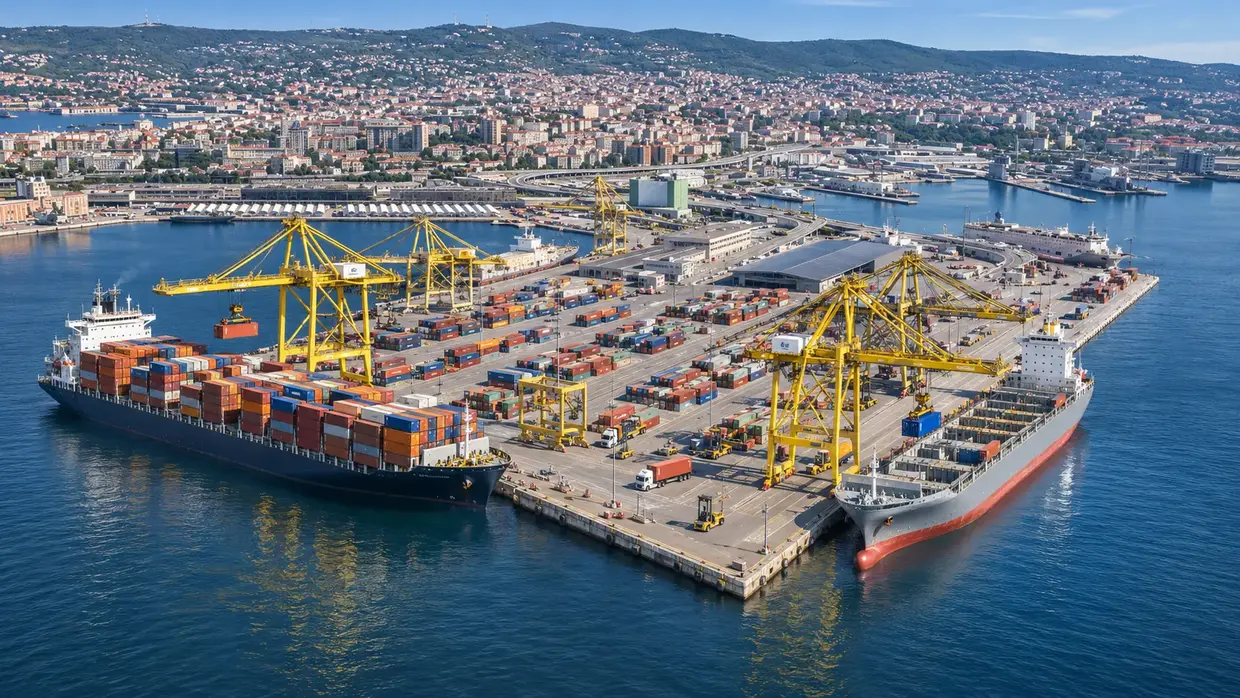
Sea freight from Turkey is one of the most cost-effective ways to import goods into Poland and Europe. ELBAN Group organizes comprehensive sea freight services from Turkey – from picking up goods at the supplier, through booking container space and customs clearance, to final delivery to the client's warehouse in Poland. Due to Turkey's geographical proximity, sea transport on this route is significantly faster than from China or East Asia, while maintaining low shipping costs.
Contact us
Niezależnie od wybranej usługi ELBAN Group pomaga przejść przez cały proces sprawnie, przewidywalnie i z kompleksowym wsparciem na każdym etapie.
Pomagamy wybrać usługę z uwzględnieniem rodzaju towaru, kierunku dostawy i specyfiki współpracy.

Jeden specjalista prowadzi Twoją sprawę od pierwszego kontaktu do zakończenia wszystkich etapów realizacji.

Pomagamy skompletować i zweryfikować dokumenty niezbędne do importu, transportu lub odprawy celnej.

Otrzymujesz jasny zakres prac, niezbędne informacje i dokładny obraz kolejnych kroków.
Незалежно від обраної послуги, ELBAN Group допомагає пройти весь процес ефективно, передбачувано та з комплексною підтримкою на кожному етапі.
Ми допомагаємо обрати послугу з урахуванням типу товару, напрямку та особливостей співпраці.
Один спеціаліст супроводжує ваш запит від першого звернення до завершення всіх етапів роботи.
Допомагаємо зібрати та перевірити документи, необхідні для імпорту, транспортування або митного оформлення.
Ви отримуєте зрозумілий перелік робіт, необхідну інформацію та чітке уявлення про наступні кроки.
Whatever service you choose, ELBAN Group helps you navigate the entire process efficiently and predictably, with comprehensive support at every stage.
We help you choose a service based on the type of goods, destination and specific requirements of our cooperation.
One specialist handles your request from the first enquiry through to the completion of every stage.
We help you collect and check the documents required for importing, transportation or customs clearance.
You receive a clear scope of work, the information you need and a clear understanding of the next steps.

Turkey is one of Poland's key trading partners, and sea freight on this route combines favorable pricing with relatively short delivery times. Compared to sea freight from China (28–40 days), shipments from Turkey reach Poland much faster, making it an attractive solution for companies that import regularly.
Sea freight from Turkey works particularly well for importing textiles, clothing, furniture, building materials, food products, and industrial components. Regardless of the volume – whether a full FCL container or space in an LCL consolidated container – ELBAN Group selects the right solution for your cargo.
FCL (Full Container Load) is a solution for companies whose goods fill an entire 20' or 40' container. The container is loaded and sealed exclusively for one client, which ensures a lower unit cost, faster customs clearance, and minimal risk of cargo damage.
LCL (Less than Container Load) is an option for smaller shipments – you pay only for the space occupied in the container (billed per CBM). It is a flexible solution for companies importing smaller volumes or testing new suppliers from Turkey.
The delivery time for sea freight from Turkey to Poland depends on the port of loading in Turkey and the destination port in Europe.
Estimated transit times:
The stated lead times cover sea transit only and do not include the supplier's production time.
The price of sea freight from Turkey depends on several factors:
Container type and cargo volume – 20' or 40' container, or space in an LCL consolidated container.
Port of loading in Turkey – rates may vary depending on the chosen port and shipping line.
Seasonality – sea freight rates fluctuate based on demand on a given route.
Additional services – customs clearance, cargo insurance, door-to-door delivery, warehousing.
ELBAN Group prepares individual sea freight quotes from Turkey based on the specific goods, volume, and route.
To prepare a shipping proposal tailored to your cargo, we need a few basic details.
Provide the country and city where your goods will be shipped from.
Specify the country, city, or warehouse address where the cargo should be delivered.
Describe the goods you plan to ship and indicate whether they require any special handling or transport conditions.
Provide the approximate weight, dimensions, and number of pallets, cartons, or containers.
Let us know when your goods are expected to be ready for shipment or your preferred delivery date.
Tell us if you need customs clearance, cargo insurance, or door-to-door delivery.
Planning to import from Turkey by sea? Contact ELBAN Group to get a personalized freight quote. We provide expert advice on choosing the right solution – FCL or LCL – tailored to your cargo, budget, and delivery schedule.
Contact us






ELBAN Group organizes sea transport from major Turkish ports:
We deliver to all major European ports, including Gdynia, Hamburg, Rotterdam, and Southern European ports, and subsequently arrange inland transport to the customer's specified location.
If your cargo is less than 15 CBM, LCL is usually the cheaper solution. Above this threshold, FCL becomes more cost-effective.
Yes, we provide full import customs clearance services for goods from Turkey in Poland and the EU.
Approximately 10–16 days, depending on the port of loading and the chosen carrier.
Freight costs are generally comparable or lower, but due to the shorter route, delivery times are significantly faster, which translates into lower storage costs and faster inventory turnover.