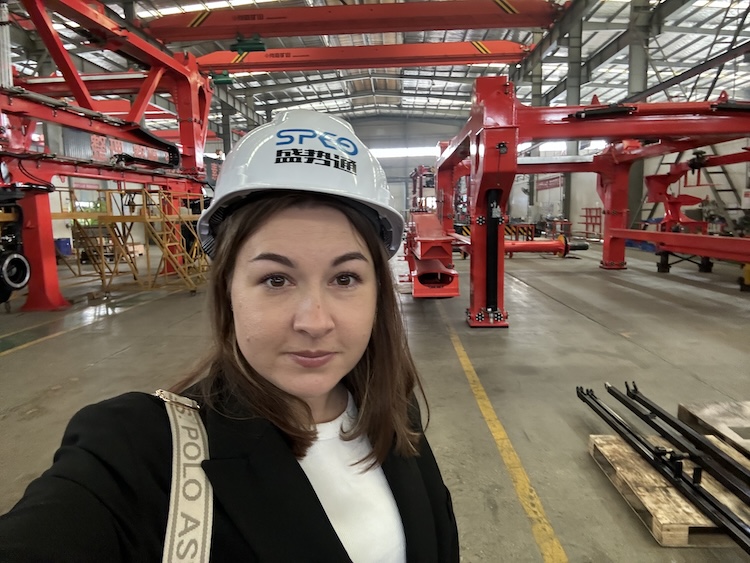
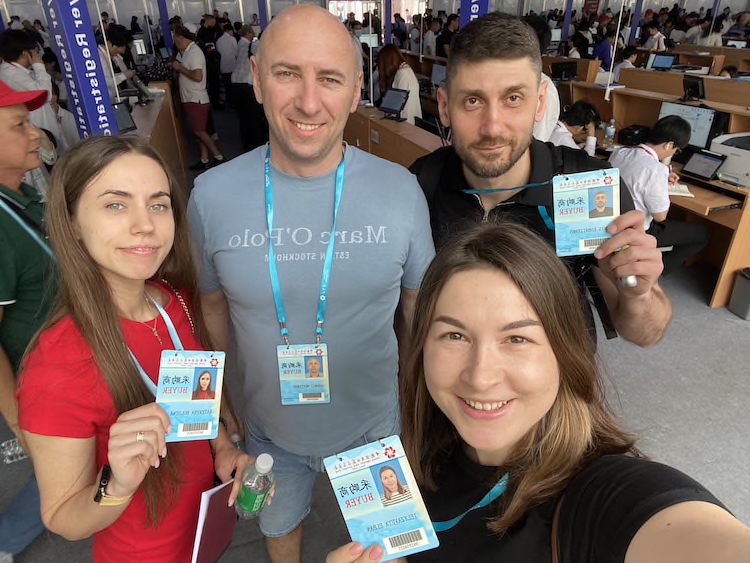
A business trip to China is one of the most effective ways to find a reliable manufacturer. It gives you the opportunity to inspect products in person, compare offers from different suppliers, visit production facilities, discuss technical requirements, and verify information that cannot be assessed through online meetings alone.
However, attending a trade fair or visiting a factory does not automatically guarantee a safe and successful import process. Without proper preparation, you may return home with dozens of catalogues and business cards—but without a supplier that is truly worth working with.
The biggest challenge is not finding potential suppliers but selecting a manufacturer that meets your quality, technical, logistics, and customs requirements. That is why a business trip to China should be viewed as an integral part of the entire sourcing and import process rather than simply a visit to a trade exhibition.
In this guide, we explain how to prepare for a business trip to China, what questions to ask manufacturers, what to look for during a factory visit, and how to minimise the risks associated with importing from China.
Table of ContentsWhy Travel to China?Trade Fairs in China – An Opportunity, Not a GuaranteeHow to Prepare for Your TripQuestions to Ask a ManufacturerWhat to Check During a Factory VisitChinese Business CultureBusiness Cards, WeChat, and First ImpressionsNegotiating with Chinese ManufacturersBusiness Trips and Customs ComplianceBusiness Gifts and MealsWhat to Do After Returning from ChinaCommon MistakesConclusionA business trip delivers the greatest value when it is part of a well-planned sourcing strategy. It allows companies not only to identify new manufacturers but also to verify their credibility, evaluate product quality, and prepare more effectively for future imports.
Companies typically travel to China to:
Meeting a manufacturer in person provides far more insight than a catalogue or an online meeting. It allows you to evaluate communication, technical expertise, production capabilities, and the supplier’s readiness to work with importers from the European Union.
Industry trade fairs, including Canton Fair, are excellent places to explore the market and establish initial business contacts. Within just a few days, you can compare hundreds of products, meet manufacturers from various industries, and gain valuable insight into current market trends and pricing.
However, not every exhibitor is an actual manufacturer, and not every product displayed at a trade fair is produced in the exhibitor’s own factory. It is also common for certificates to apply to different product models or fail to meet the regulatory requirements of the European Union.
For this reason, contacts made at trade fairs should be treated as the beginning of the supplier verification process rather than its conclusion. A conversation at an exhibition stand does not replace a thorough review of the manufacturer, technical documentation, production capabilities, quality control procedures, or compliance with EU requirements.
A successful business trip begins long before you arrive at a trade fair or manufacturing facility. The better prepared you are, the easier it will be to evaluate suppliers and make informed purchasing decisions.
Before travelling, prepare:
A well-prepared importer focuses on much more than price alone. Equally important are discussions about raw materials, manufacturing processes, technical documentation, laboratory test reports, quality control systems, pre-shipment inspections, and the supplier’s experience exporting products to the European market.
When meeting a manufacturer, your focus should extend beyond price. The goal is to understand how the supplier operates and whether they are capable of becoming a reliable long-term business partner. The more information you gather at this stage, the lower the risk of problems after placing an order.
Consider asking the following questions:
The more technically complex the product, the more detailed the discussion should be. This is especially important for machinery, electronics, electrical equipment, products containing radio modules or batteries, medical devices, cosmetics, toys, and other goods subject to specific EU regulations.
A factory visit allows you to verify information that cannot be confirmed through online meetings or conversations at trade fairs.
During your visit, pay particular attention to whether:
A factory visit often makes it easy to distinguish a genuine manufacturer from a trading company or intermediary. It can also reveal issues that are difficult to identify through catalogues or sales presentations, such as weak quality control, poorly organised production, inconsistent documentation, or limited export experience.
Business relationships play a much greater role in China than in many European countries. The purpose of an initial meeting is often not to sign a contract immediately but to establish trust and build a long-term business relationship.
For this reason, it is worth investing time not only in discussing products and pricing but also in getting to know the company and its representatives. Factory visits, business meals, and regular follow-up communication all contribute to stronger business relationships.
This does not mean avoiding business discussions. On the contrary, a well-prepared importer demonstrates professionalism by understanding the product, knowing the requirements of the European market, and clearly communicating expectations. This approach builds credibility and creates a stronger foundation for future negotiations.
When attending business meetings in China, always carry an adequate supply of business cards. Ideally, they should be printed in both English and Chinese whenever possible.
Business cards should be presented and received with both hands. After receiving a card, take a moment to read it before putting it away. This small gesture is considered a sign of respect in Chinese business culture.
Another essential communication tool is WeChat, which has become the primary business messaging platform for many Chinese manufacturers. In practice, responses received through WeChat are often much faster than email communication.
Before travelling, install the app, complete your profile, and prepare your QR code so you can exchange contact details quickly and maintain communication after your meetings.
Negotiating with Chinese manufacturers is often different from conducting business discussions with partners in Europe. Patience, relationship building, and careful documentation of every agreement are essential to a successful negotiation process.
In Chinese business culture, a direct “no” is not always used. Phrases such as “we’ll see,” “that may be difficult,” “we need to check,” or “we’ll discuss it with management” may indicate that a decision has not yet been made, that further internal discussions are required, or that the answer is a polite refusal.
During negotiations, keep in mind that:
After each meeting, it is good practice to prepare a written summary covering the agreed product specifications, pricing, order quantity, Incoterms®, production lead time, required documentation, packaging requirements, payment terms, and the next steps. Written confirmation significantly reduces the risk of misunderstandings later in the sourcing process.
When meeting Chinese business partners, certain behaviours can damage relationships or undermine trust. The most common mistakes include:
An important concept in Chinese business culture is “saving face”, which refers to preserving a person’s reputation, dignity, and professional standing. Even when problems arise, calm and respectful communication is usually far more effective than public criticism.
A business trip to China should not only be seen as an opportunity to find a manufacturer but also as the first step in preparing for compliant imports into the European Union.
During meetings with manufacturers, it is important to verify whether they can provide all documentation required to place the product on the EU market.
Depending on the type of product, this may include:
This is also the right time to discuss CN/HS classification, packaging requirements, product labelling, quality control procedures, and the documentation required for customs clearance.
Addressing these issues before production begins helps avoid costly changes later in the process and significantly reduces the risk of delays, compliance issues, or problems during import.
In China, sharing a business meal is an important part of building long-term professional relationships. It should not be viewed merely as a formal part of the meeting agenda. Informal conversations over lunch or dinner often help establish trust and strengthen future cooperation.
Small, thoughtful gifts representing your country or region are generally appreciated. They should be tasteful but not overly expensive, as extravagant gifts may make the recipient uncomfortable.
However, certain gifts carry negative cultural associations and should be avoided, including:
Understanding these cultural customs is not essential, but it demonstrates respect for your Chinese business partners and can help create a positive first impression.
The most important stage of the import process begins after your business trip has ended. The information you have collected should be organised, compared, and used to identify the most suitable business partner.
After returning, review:
Only after comparing all the collected information can you make an informed decision about potential suppliers. Price should be just one element of your evaluation. Product quality, complete documentation, effective communication, export experience, and the manufacturer’s ability to meet European market requirements are equally important.
The most common mistakes include:
Most of these mistakes can be avoided through proper preparation and by treating the business trip as one stage of a comprehensive sourcing and import strategy.
A business trip to China can significantly speed up the process of finding the right manufacturer and building long-term business relationships. However, it does not replace supplier verification, documentation review, or product compliance assessment under European Union regulations.
Thorough preparation before travelling, well-planned meetings, and careful evaluation of the information gathered afterwards help minimise risks and support informed sourcing decisions.
The most successful business trips are those that result not only in new contacts but also in a clear plan for safe, efficient, and compliant imports.
A business trip to China can become the foundation of a long-term partnership with the right manufacturer—provided it is properly planned.
Elban Group helps companies prepare meeting schedules, verify manufacturers, review technical documentation, and develop an effective import strategy before the first order is placed.
We organise both individual and group business trips to China, helping our clients find reliable manufacturing partners, reduce sourcing risks, and build long-term business relationships.
Contact us today and plan a business trip that will lead to safer imports and successful cooperation with trusted Chinese manufacturers.





.svg)